
Sharpen Your Pipeline Between Sips of Coffee

Step into five-minute sales pipeline tune-ups during office breaks, where tiny, focused moves compound into real revenue momentum. In the time it takes to refill a mug, you can prioritize deals, polish messages, and clear CRM clutter. Expect practical micro-rituals, quick wins backed by behavioral science, and stories from the floor. Try one tactic today, share your result in the comments, and subscribe for more bite-sized playbooks that respect your calendar while strengthening your close rates.

Micro-Planning That Moves Deals Forward

Short breaks reward decisive thinking. Instead of boiling the ocean, commit to one impactful move per pause—reordering a follow-up queue, flagging a stalled stakeholder, or setting a crisp next step. Five minutes is just enough time to exchange vague intentions for concrete action. Treat urgency as a creative constraint, not a stressor. The tighter the window, the sharper your focus becomes, protecting momentum even on chaotic, meeting-heavy days.

Inbox and CRM Hygiene in a Blink

Kill Duplicates and Stale Leads Fast

Search for common duplicate patterns—same company domain, repeated first and last names, or similar job titles spanning territories. Merge decisively, keeping the freshest activity timeline and the most relevant owner. Archive stale leads that never fit your ideal profile, noting why for learning value. This quick clean boosts reporting accuracy, reduces follow-up confusion, and prevents awkward double outreach that undermines credibility in delicate buying groups.

Tag with Intent, Not Habit

Tags should guide action, not decorate records. During one break, rewrite vague labels like “interested” into behavior-based markers such as “asked pricing,” “requested security review,” or “pilot pending.” Keep tags scarce and purposeful, then align dashboards to those signals. When every tag translates into a next move, your CRM becomes a cockpit, not a museum. Five minutes of clarity now saves hours of second-guessing during crunch time.

Leave Breadcrumbs for Your Future Self

Write a one-sentence note that a colleague—or tired tomorrow-you—can immediately act on. Include context, last buyer emotion, and the precise next touch with a suggested date. Example: “Legal raised data retention; send SOC 2 summary Friday and book 15 minutes with procurement.” These breadcrumbs transform scattered updates into a coherent, rolling narrative, reducing ramp time after meetings and enabling any teammate to help without re-reading entire email chains.

Five-Minute Messaging Magic

Great outreach is short, specific, and anchored in the buyer’s immediate world. During a break, polish one message element: opener, value sentence, or call-to-action. Borrow constraints from journalism—clarity first, then brevity. Personalize with one credible insight, not ten flailing facts. Respect cognitive load and make the next step effortless. Over time, you will build a library of high-performing snippets that lighten writing and quicken reply velocity.

Subject Lines That Earn Opens

In under five minutes, test two subject line variants grounded in relevance, not gimmicks. Use language from the buyer’s role or current initiative, referencing a shared artifact like a webinar comment or product release. Keep it plain, under eight words, and promise specific value. Track open rates weekly. Anecdote: a simple “Security review timeline—fast answers inside” beat clever puns by twenty points because it honored urgency and clarity.

Value First, Ten Seconds or Less

Front-load the why in your very first sentence. Replace vague benefits with concrete outcomes, like reduced onboarding hours, faster compliance approval, or fewer production incidents. Name a proof point within ten seconds of reading—customer logo, measurable win, or brief story. Buyers reward focus. Time yourself: if reading aloud exceeds ten seconds, tighten. This discipline turns lukewarm skims into engaged replies without sounding pushy or theatrical.

End with a Frictionless Next Step

Offer a choice the recipient can accept without calendar pain. Suggest two narrow windows, or propose a micro-commitment like a one-question reply or forwarding to the right stakeholder. Avoid generic “thoughts?” endings that shift work to them. Specificity reduces decision fatigue, feels respectful, and speeds positive motion. Keep tone calm, peer-to-peer, and detachable from pressure, protecting relationships while nudging the conversation forward with elegant, minimal effort.

Signals and Data: Quick Reads, Smart Moves
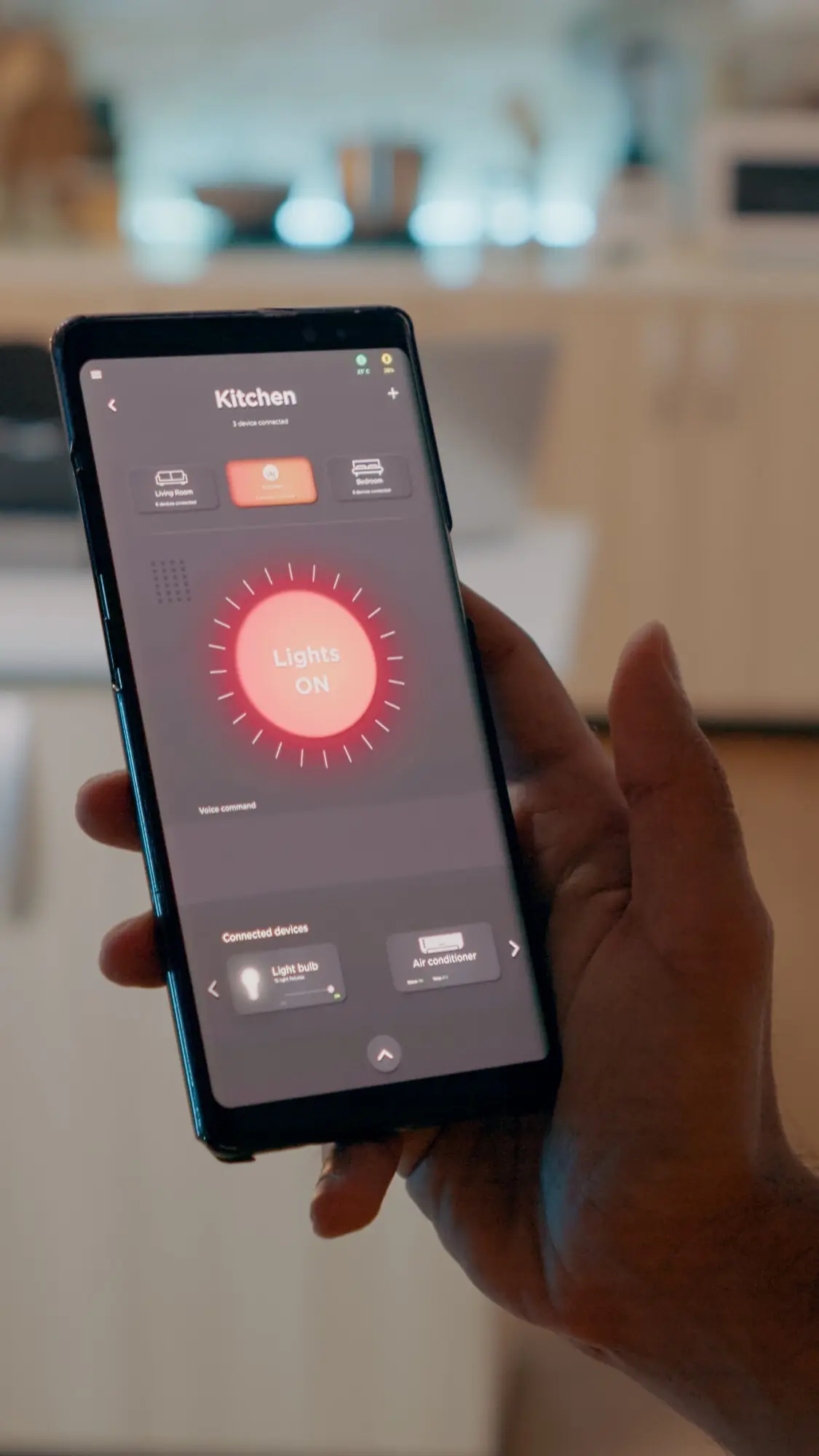
A dashboard glance can surface decisive signals if you know where to look. In five minutes, scan recency, frequency, and intensity: page visits, trial events, meeting no-shows, or pricing clicks. Convert one meaningful spike into a targeted touch. Avoid analysis paralysis by defining a tiny decision tree beforehand. You are not forecasting; you are aiming a nudge. The right nudge today may save countless recovery hours tomorrow.

Spot Spikes Without Overthinking

Create a watchlist of high-intent behaviors: pricing page revisits, security documentation downloads, or sudden user activations in a dormant workspace. When you see a spike, act within the same break—send a concise resource, propose a brief sync, or answer the implied question. Speed communicates attention and care. Anecdote: one rep closed within a week after responding five minutes post-spike with a tailored, unobtrusive implementation checklist.

Use Recency as Your Compass

Recency predicts responsiveness. Sort by latest engagement and contact those prospects first. Even if the prior touch felt lukewarm, a recent click or visit indicates renewed curiosity worth harnessing. Keep your follow-up tight, relevant, and respectful of their context. This recency-first rhythm protects momentum across chaotic days and outperforms alphabetical or gut-feel dialing, especially when calendar gaps are tiny and distractions continually multiply around you.

Trust, But Verify Before You Pounce

Not every signal deserves a sprint. Before engaging, verify company fit, role relevance, and duplicate ownership in your CRM. Cross-reference notes and make sure your outreach adds context rather than noise. This two-minute validation avoids embarrassing misfires and ensures you contribute clarity. When in doubt, ask a teammate for a quick read. Quality control, even under time pressure, signals professionalism and protects long-term credibility with buying committees.

Mindset, Energy, and Micro-Break Science

Micro-breaks reduce decision fatigue, restore attentional control, and protect voice quality before the next call. Leverage brief breathing exercises, posture resets, or a sip of water to stabilize tone and thinking. Behavioral science helps too: the Zeigarnik effect keeps unfinished tasks active; timeboxing defeats procrastination. Combine physiology and psychology to create calm momentum. Five minutes can change how you sound, what you notice, and how boldly you ask for next steps.

Reset Your Nervous System Fast

Try a thirty-second physiological sigh—inhale, top-up inhale, long slow exhale—to lower stress quickly. Follow with one shoulder roll and a posture check before dialing. This tiny reset reduces vocal strain, sharpens word choice, and preserves warmth. Pair it with a quick sip of water, then smile while speaking; listeners hear the change. Protecting your instrument, even briefly, compounds into more confident conversations and steadier negotiations throughout demanding afternoons.

Leverage the Zeigarnik Effect

End your break by starting, not finishing: draft the first sentence of a follow-up or jot the three bullet points you will cover next call. Leaving work intentionally incomplete keeps attention magnetized. Your brain prefers closure and will tug you back. This trick transforms re-entry friction into forward drive, making it easier to resume with clarity when the meeting ends and the next opening appears on your calendar.

Guardrails Against Context Switching Chaos

Context switching drains accuracy and empathy. During a five-minute pause, quickly note the current deal’s objective and the next required proof point. Close unrelated tabs. Silence nonessential notifications for the next block. These guardrails cost seconds yet save minutes of reorientation later. Protecting a clean mental runway lets you deliver precise, composed interactions instead of scattered replies, which buyers interpret as inattentiveness and misalignment in high-stakes decision windows.

Rituals, Cadences, and Accountability

Consistency beats intensity. Anchor two to four daily breaks to repeatable micro-rituals—triage, hygiene, messaging, and signal scans. Use timers, visible checklists, and a lightweight scoreboard. Pair with a colleague for friendly stakes and quick debriefs. Reward completion with a tiny celebration, then reset. Over weeks, these rituals harden into a dependable cadence that shortens sales cycles, catches risks earlier, and creates calm confidence when quarter-end pressure arrives uninvited.
Set one alarm to begin, another to stop. The first removes decision friction, the second enforces focus by promising a clean exit. In between, tackle exactly one ritual. When the stop alarm rings, log a two-sentence summary of the win. This structure prevents drift, keeps energy high, and converts ordinary pauses into predictable progress without overreaching or sacrificing recovery time between demanding calls and critical meetings.
Choose a partner and exchange quick commitments at lunch: one pipeline tune-up you will complete in the next break. Afterward, send a screenshot or note. Friendly accountability injects playful stakes and shared learning. Patterns will emerge—common blockers, winning phrases, and dashboard pitfalls. Co-create a tiny library of scripts and checklists. Momentum loves company, and peers often notice blind spots you miss while operating inside your own priorities.
Keep a visible list of micro-wins: fields updated, signals acted on, meetings booked, risks addressed. Review weekly to reinforce identity—someone who progresses deals even when time is scarce. Share one example on the team channel and ask for theirs. This public acknowledgment normalizes disciplined brevity, spreads best practices, and inspires newer teammates. Small wins, consistently captured, become cultural building blocks that lift morale and measurable outcomes together.
Zavoxarizunotavo
Privacy Overview

This website uses cookies so that we can provide you with the best user experience possible. Cookie information is stored in your browser and performs functions such as recognising you when you return to our website and helping our team to understand which sections of the website you find most interesting and useful.